Stained glass artist Andrei Lobanov
A. Weizenbergi 4, Tallinn 10150
Harjumaa, Estonia


Photograph - Alexander Ivashkevich
Stained glass art
is the most excellent form of painting
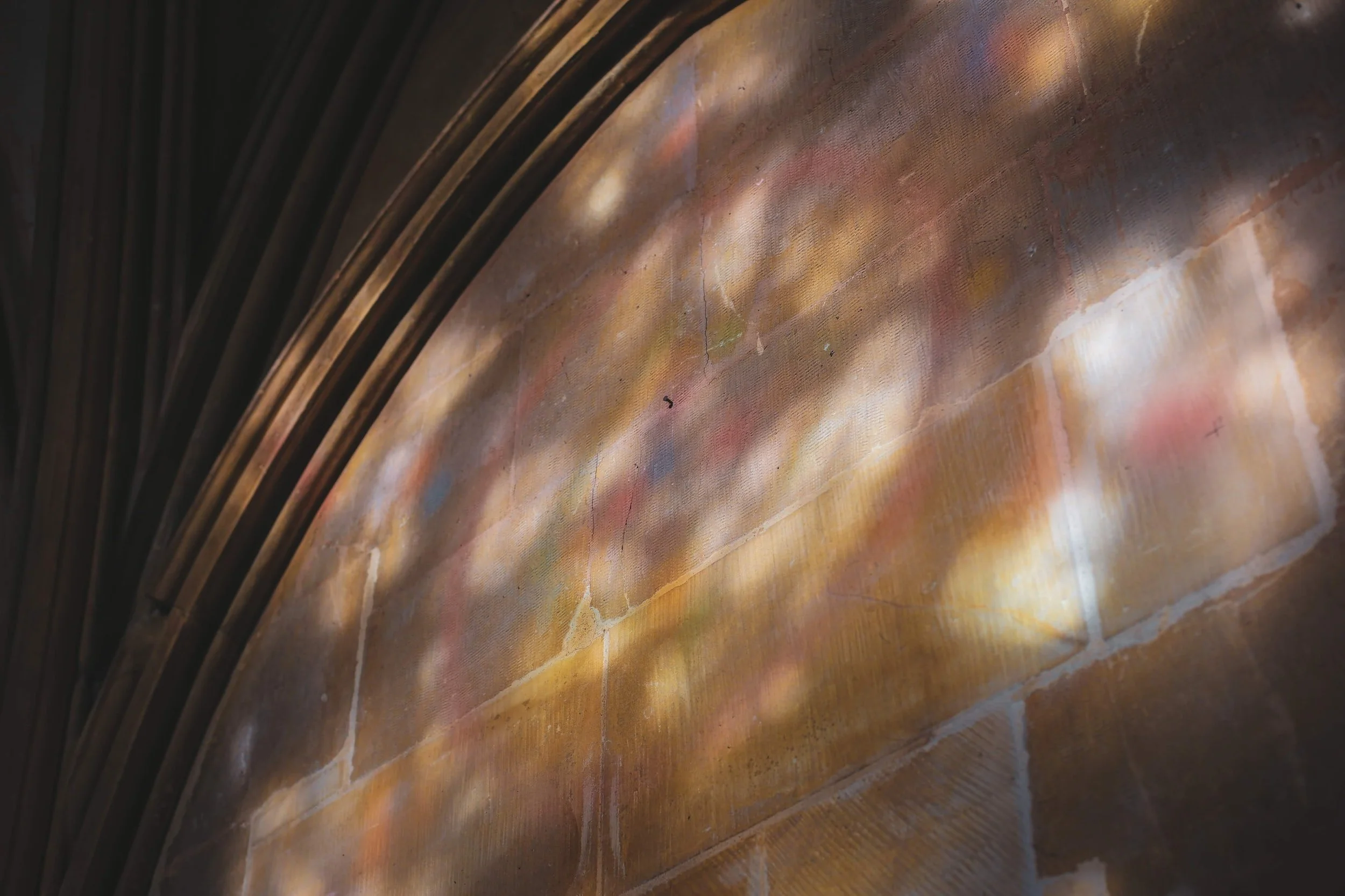
Andrei considers the art of stained glass the most ideal form of painting, as it tames light and makes it work according to the author’s intent. Thanks to the unique properties of colored glass to alter light and change our perception of space, an interior decorated with stained glass will never feel boring. It can be seen as a sort of medication for both the eye and the soul, enriching the emotional sphere of anyone.
Andrei Lobanov, a graduate of the Tallinn Institute of Art (class of 1990), created his first stained glass works when he was a student. This form of art captivated him so greatly that he decided to dedicate himself entirely to monumental forms of painting: stained glass, fresco and mosaic.
Monumental art is characterized not by its size, but by its ability to portray an entire world or comment on certain ideas, without relying on a single still frame. The artist creates his stained glass using a technique that dates back to 10th century Europe – welding together pieces of colored glass, painted with a variety of pigments. Before the 15th century stained glass was only allowed as décor for Christian churches, and only by the end of the Middle Ages had the art of colored light begun to transform the interior of households. Thus this language of angels and music of spheres – as the medieval theologians described it – became available for all to behold.
Frescos have an even longer life span than stained glass. The cave paintings of the Stone Age, the frozen world of ancient Egypt, and the three-dimensional illusions of antiquity are all preserved to this day.
While Andrei Lobanov by no means recommends that one should live inside a painted sarcophagus or a Chartes Cathedral, he does believe that an interior, much like its owner, should have its own persona. This is hard argue with, for fashions come and go, but art lives on…
Andrei Lobanov has been a member of the Estonian Artists’ Association (EAA) since 1993.
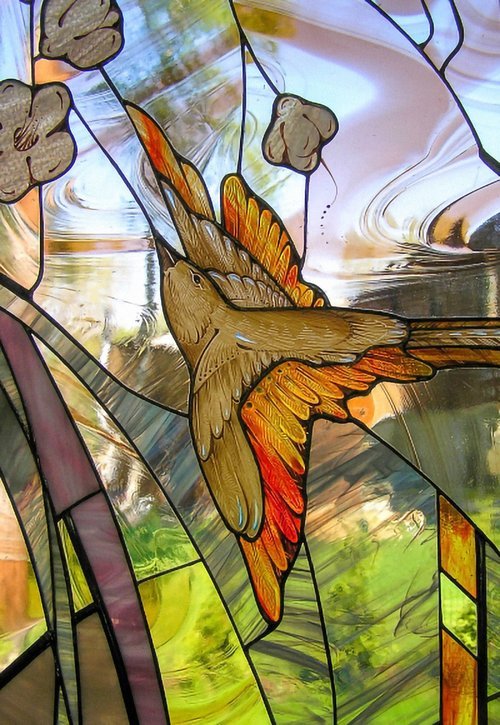


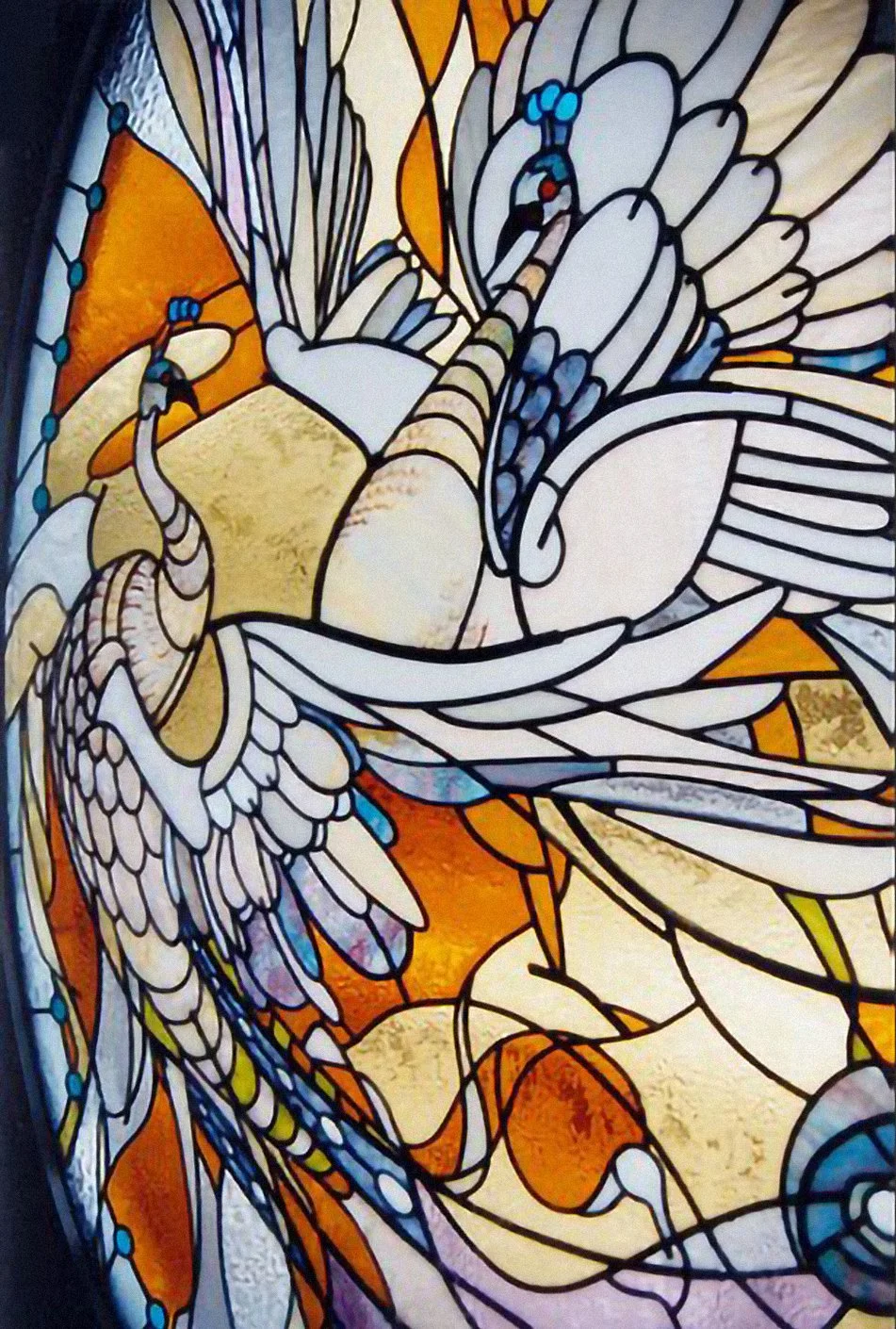
Birds. 1998

Over fireplace. Cap-Martin, Roquebrune. France 2010

Stained glass in stairway. Private house. Tallinn, 2013

Stained glass in private house. Tallinn, 2014 2

Stained glass in private house. Tallinn, 2014

Stained glass in private house. Tallinn, 2015 2

Bathroom window. Private house. Tallinn, 2015

Stained glass in private house. Tallinn, 2015
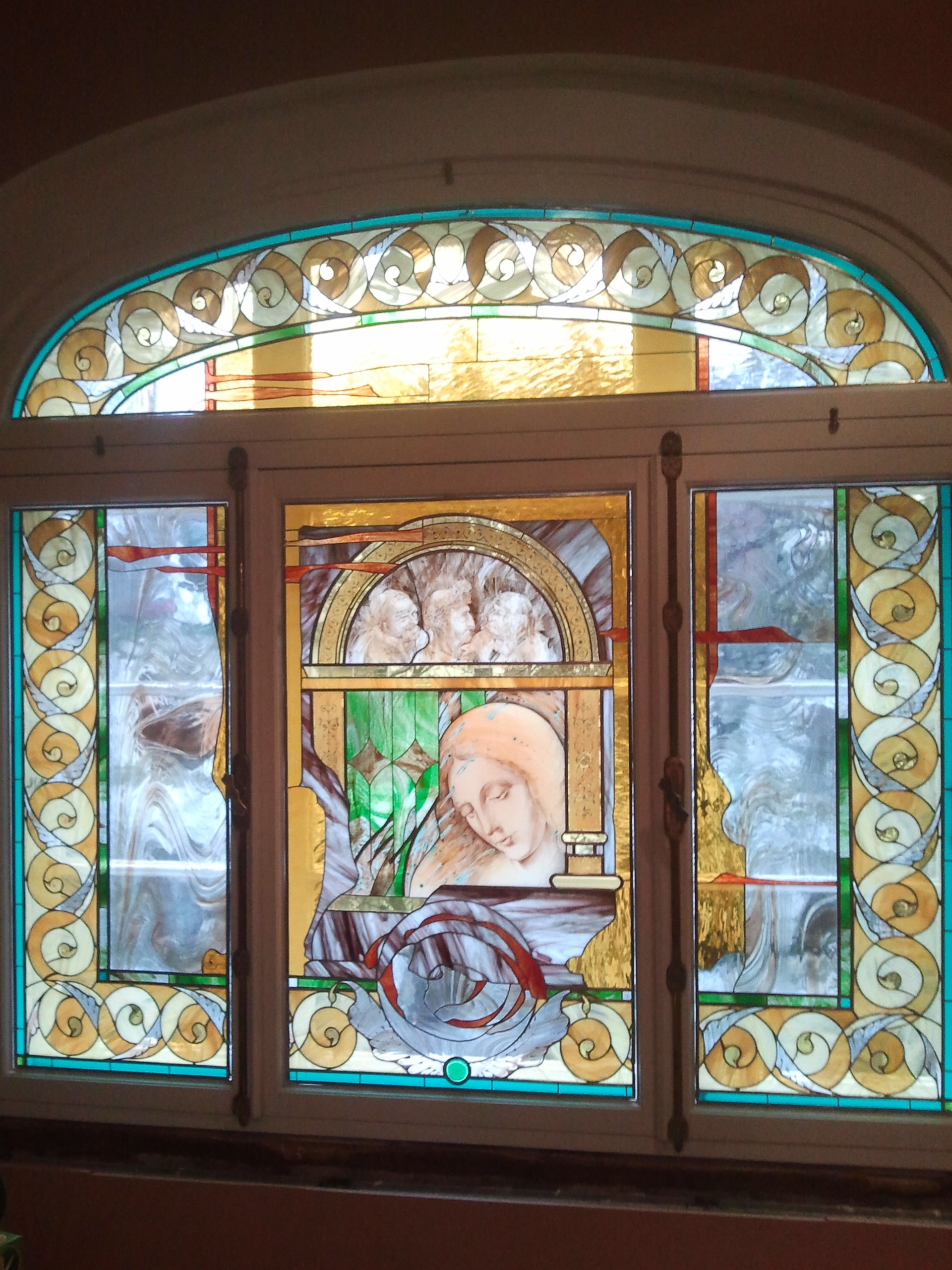
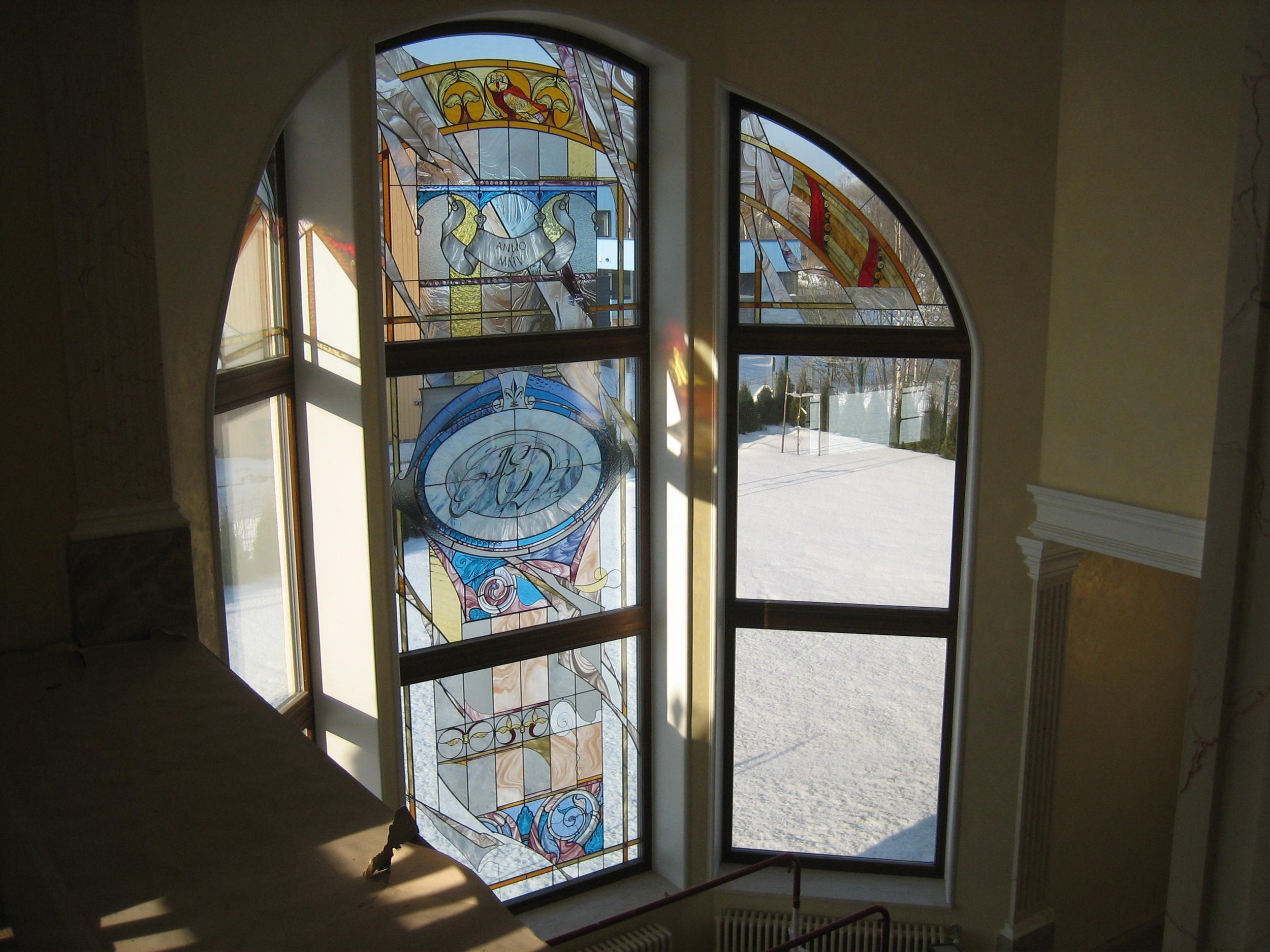
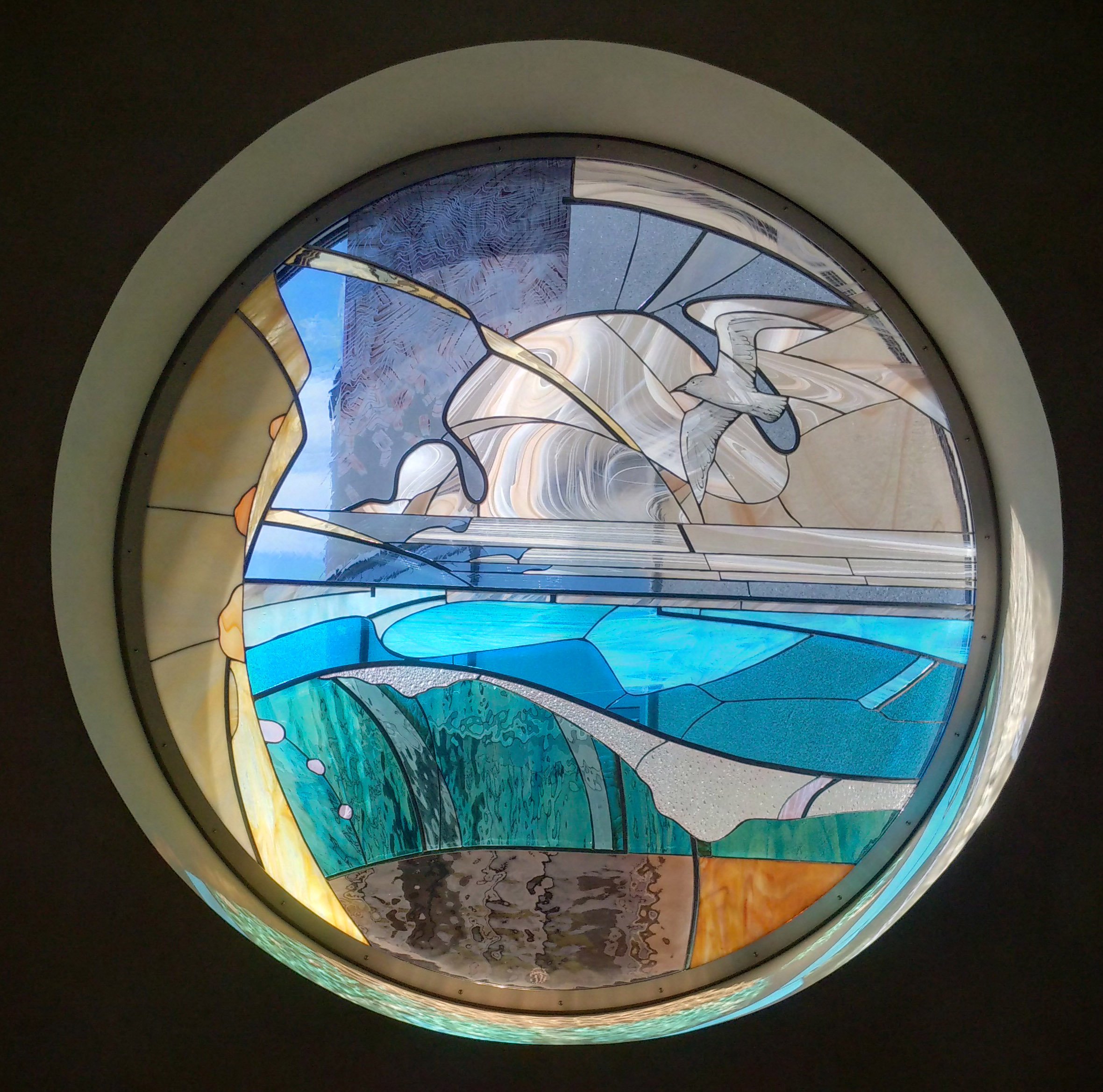


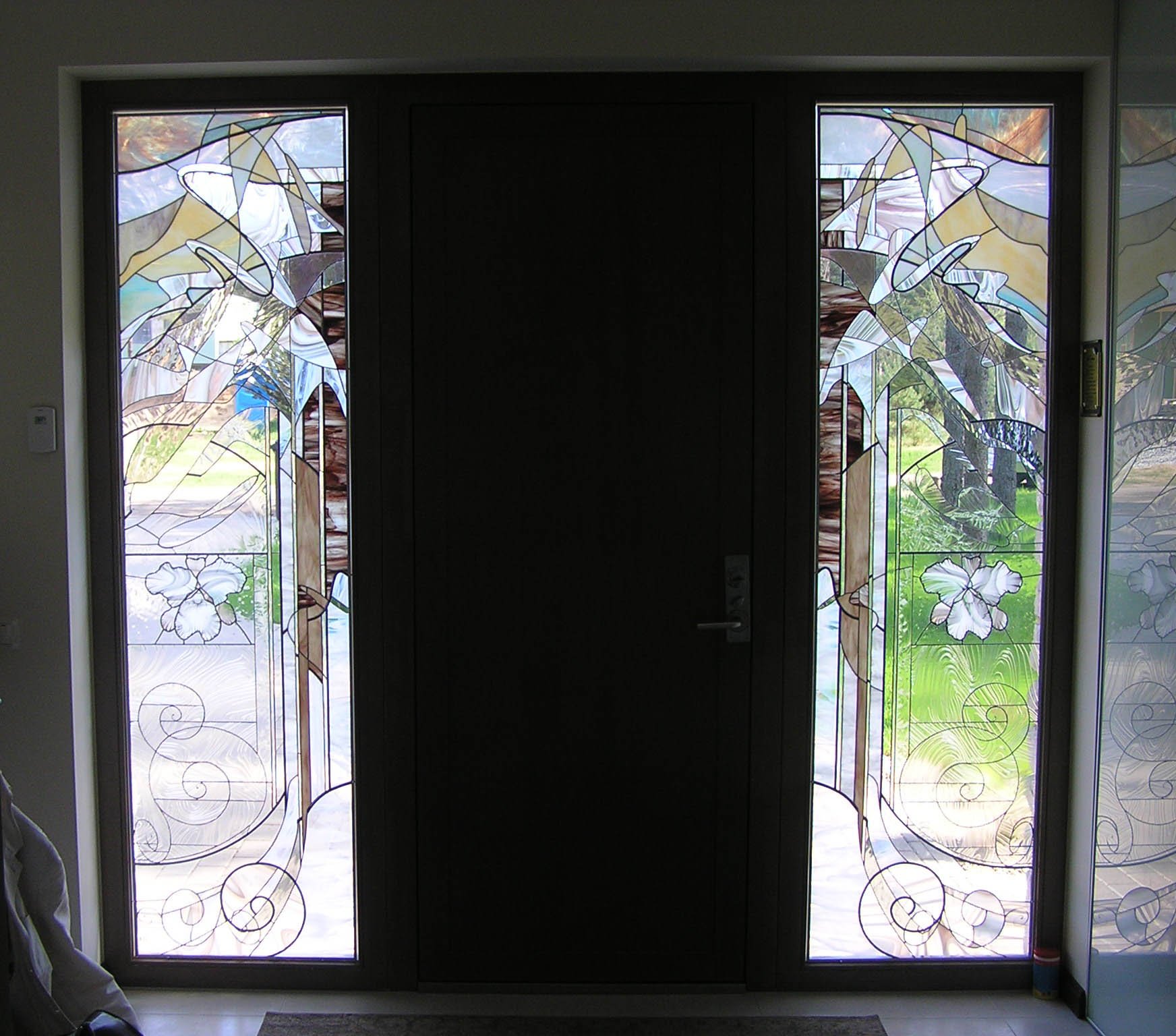

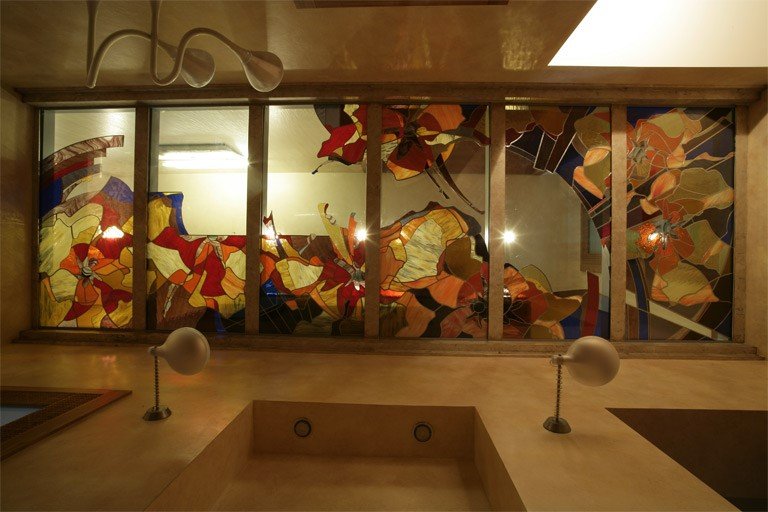


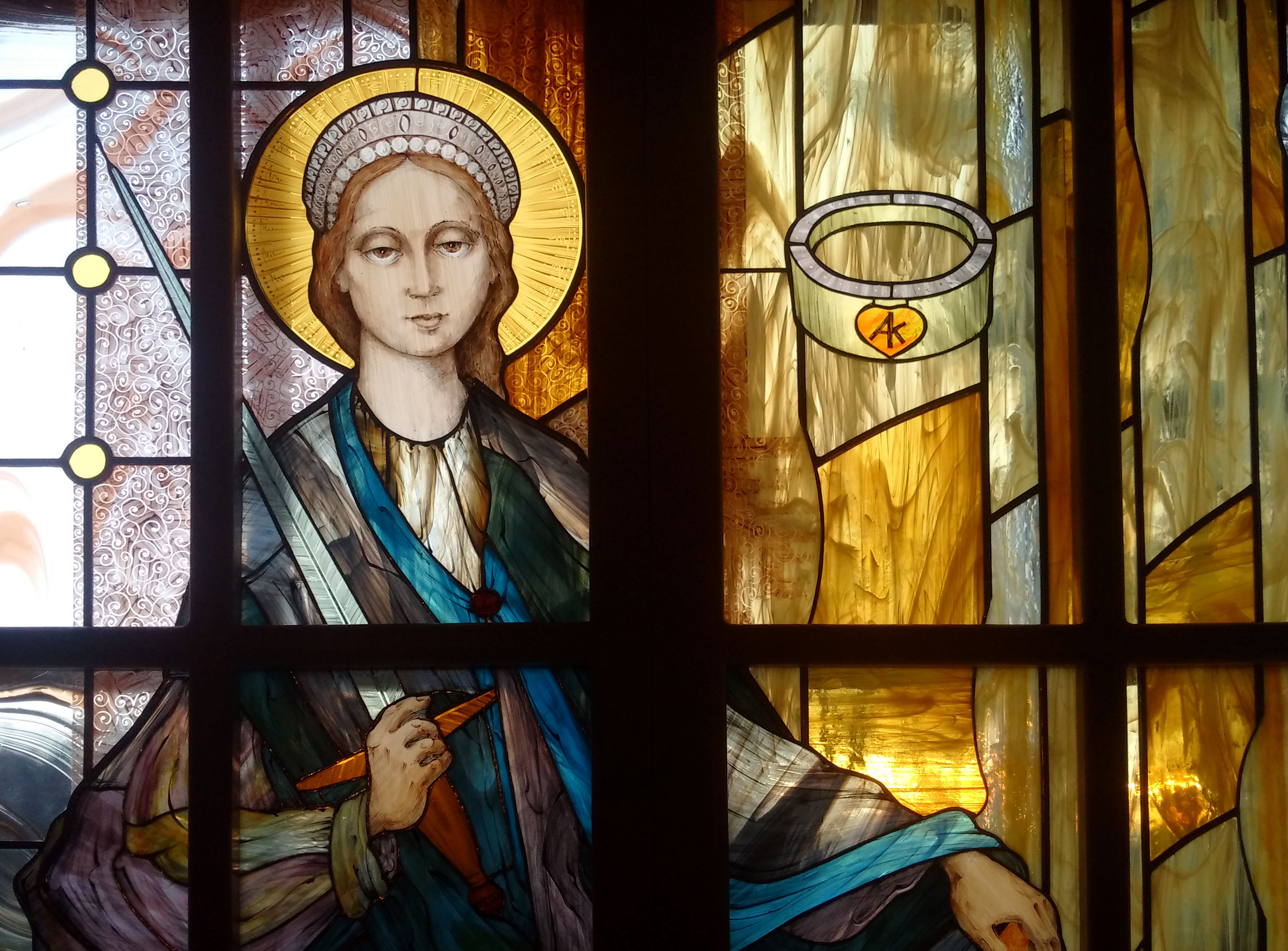
Leesi Church. 2018
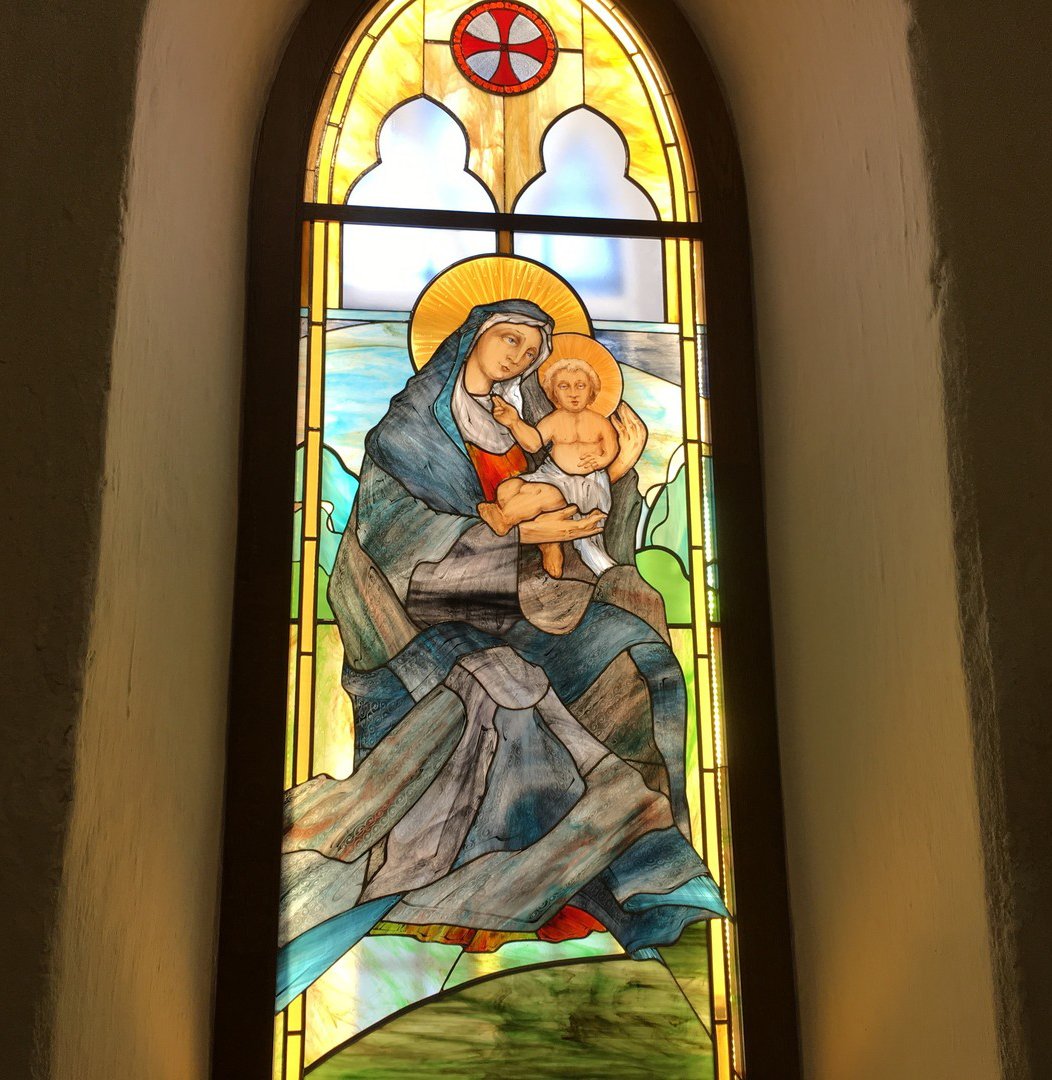
Lüganuse church. Sacristy. 2016
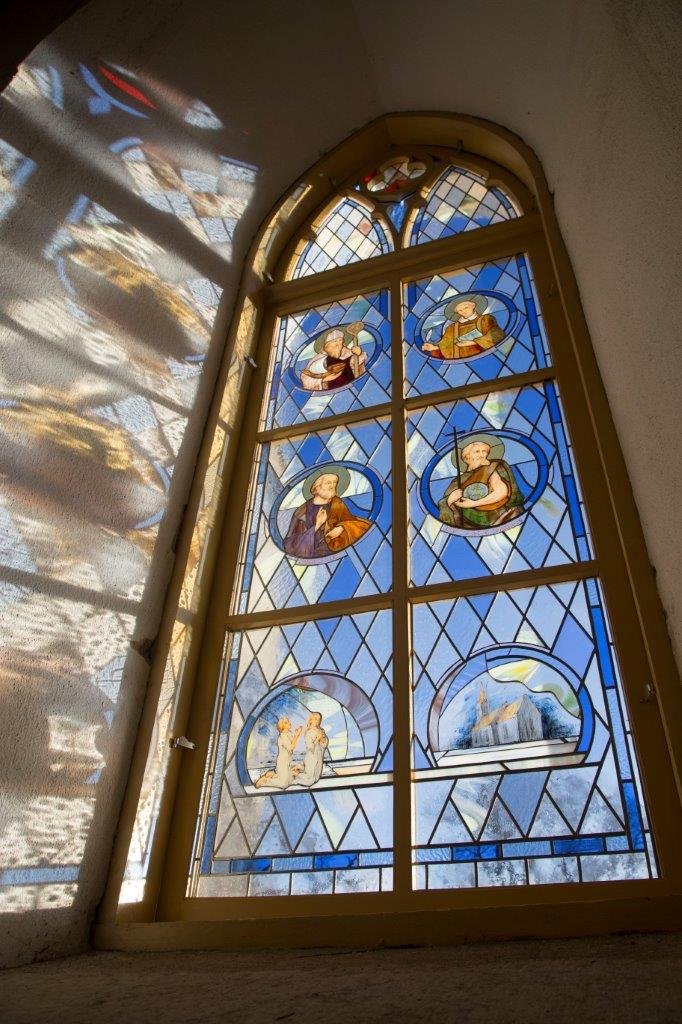
Jõelähtme church. Altarpiece stained glass. 2018
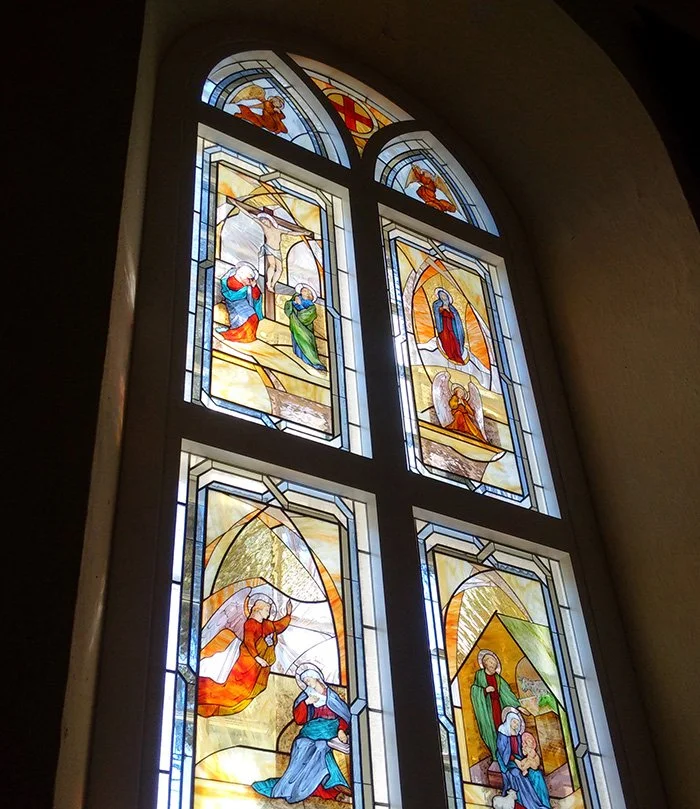
Loksa church. Mary window. 2020

Loksa church. Old Testament window. 2020

Kuusalu church. 2022
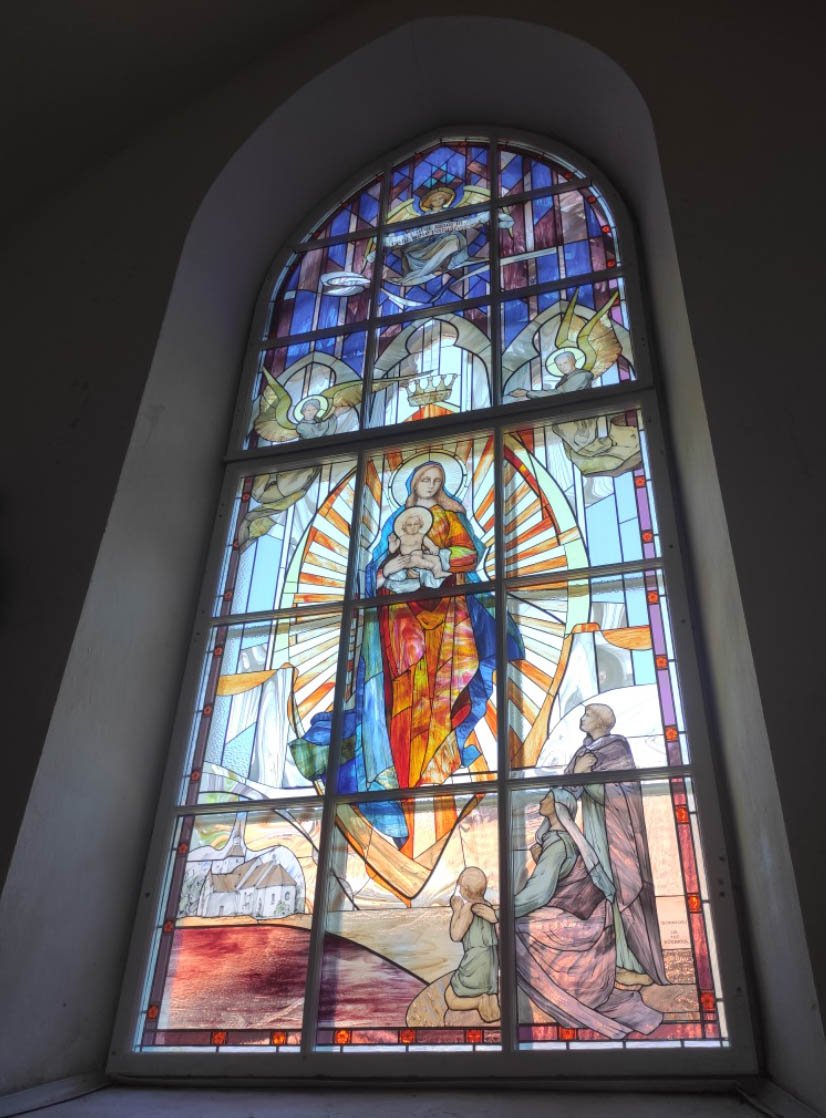
Kuusalu church. 2022
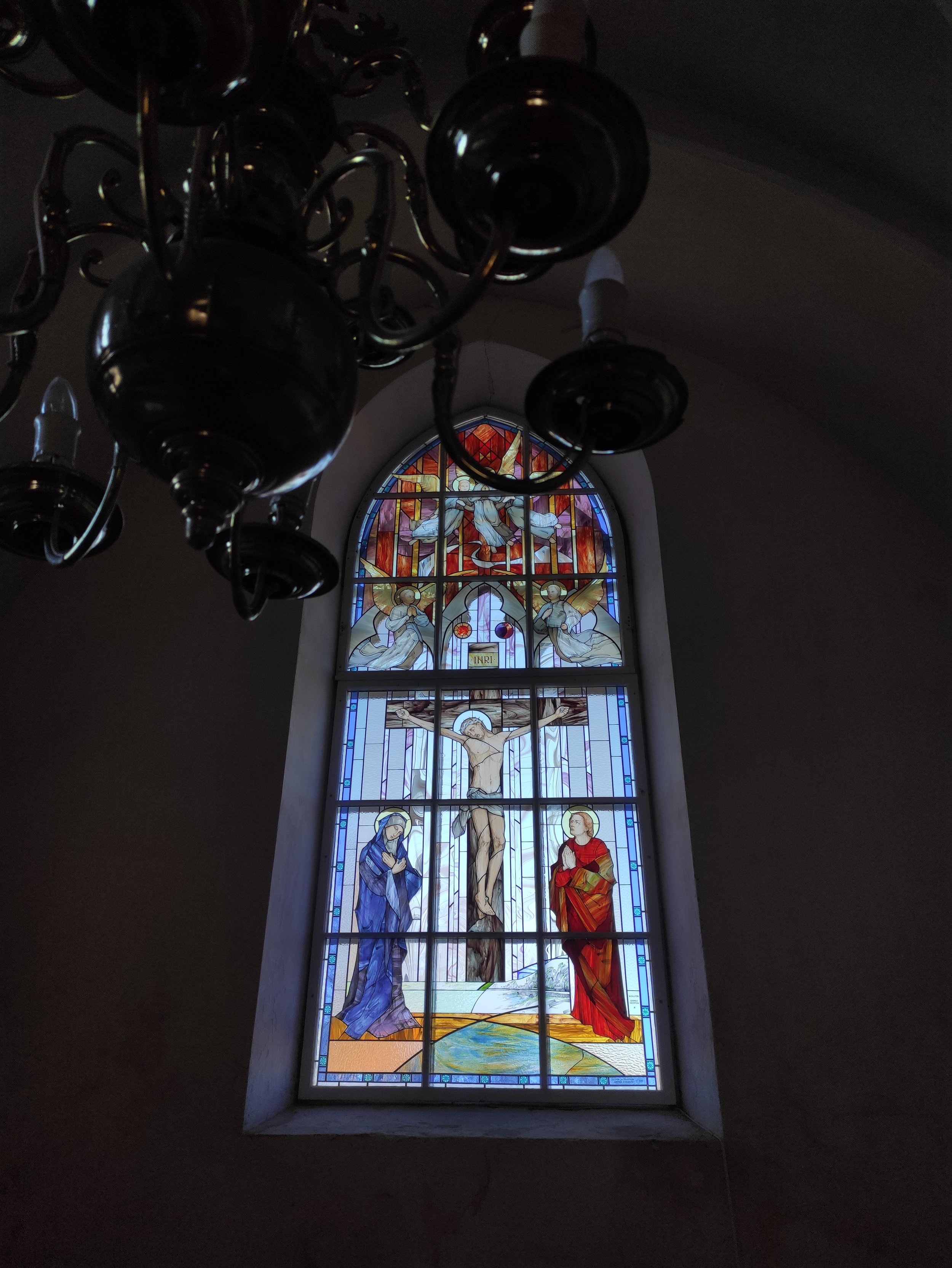
Kuusalu church. 2022

Leesi Church. Noah's ship. 2022
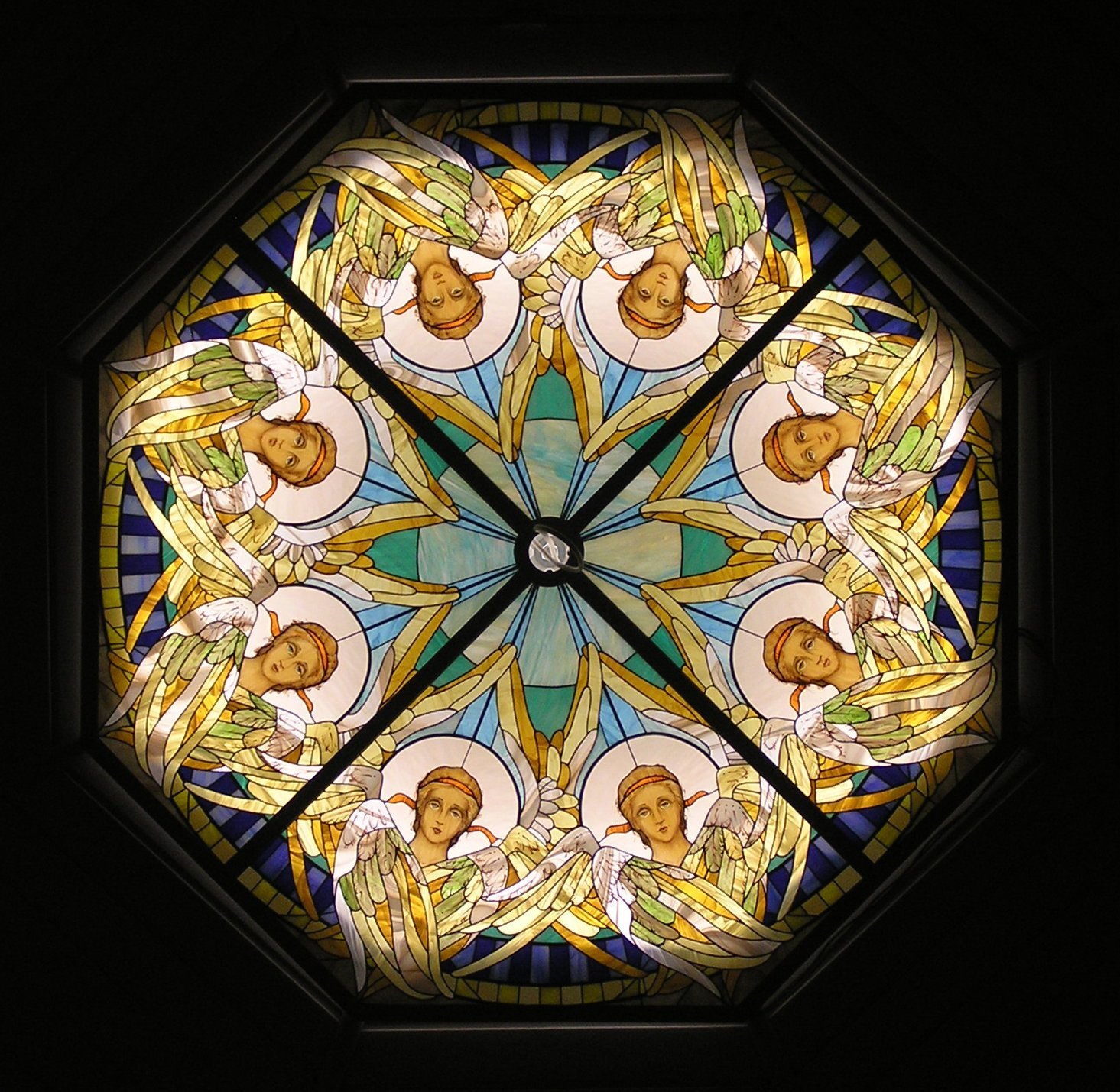
Church of St. Sergius of Radonezh in Paldiski. Plafond. 2015

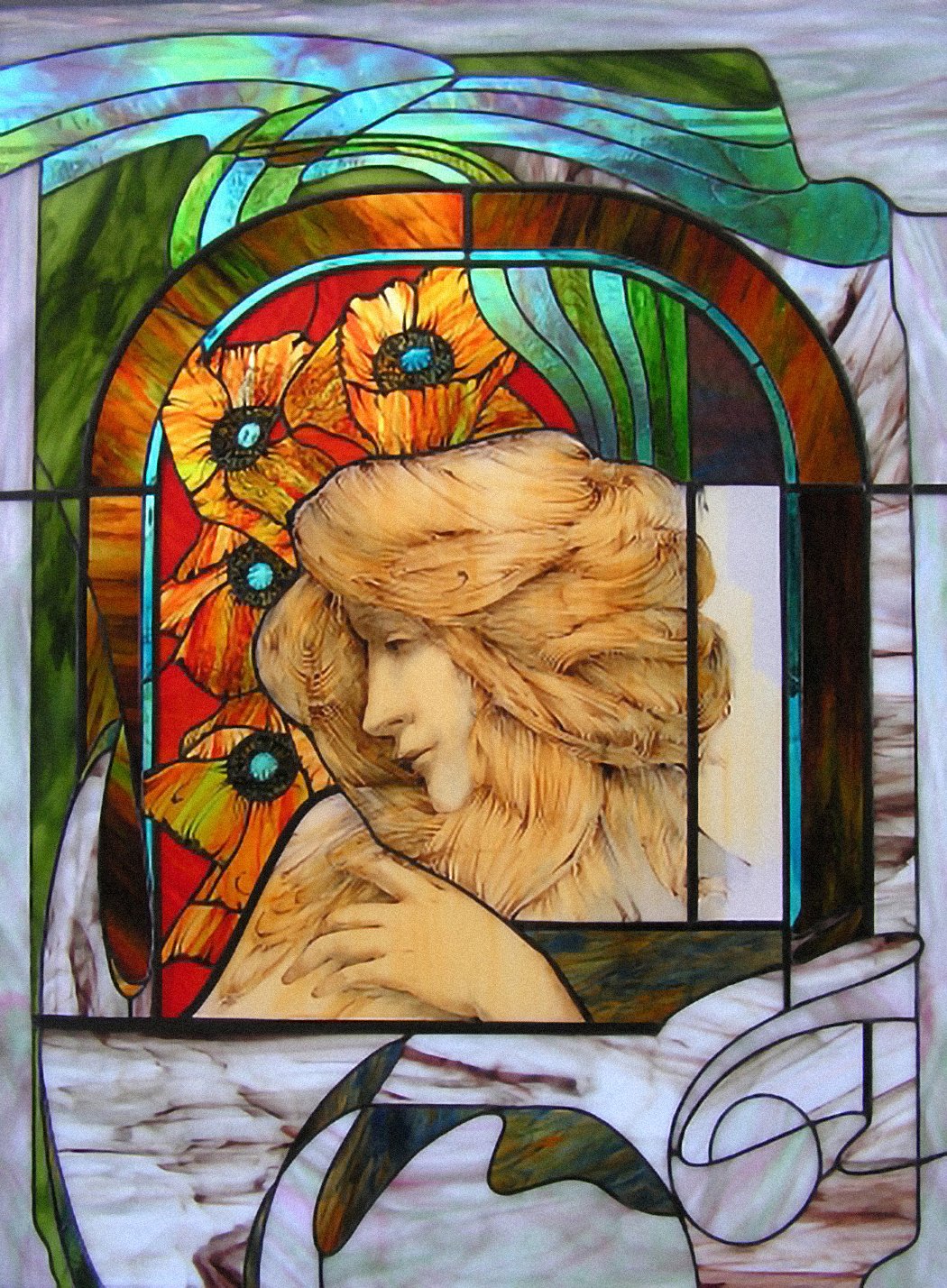
Visit II

Gothic II. 2012
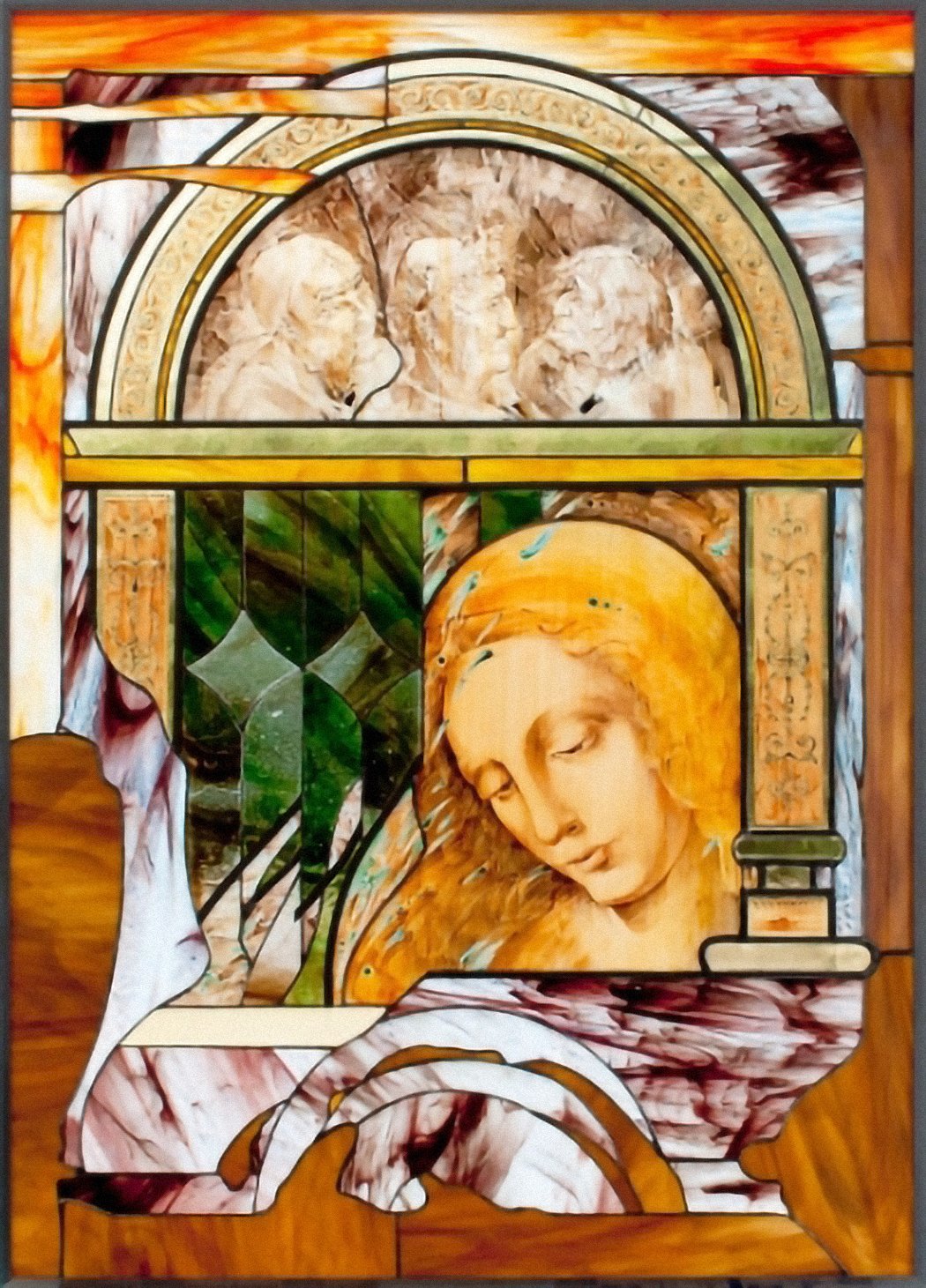
Rennaissance. 2012
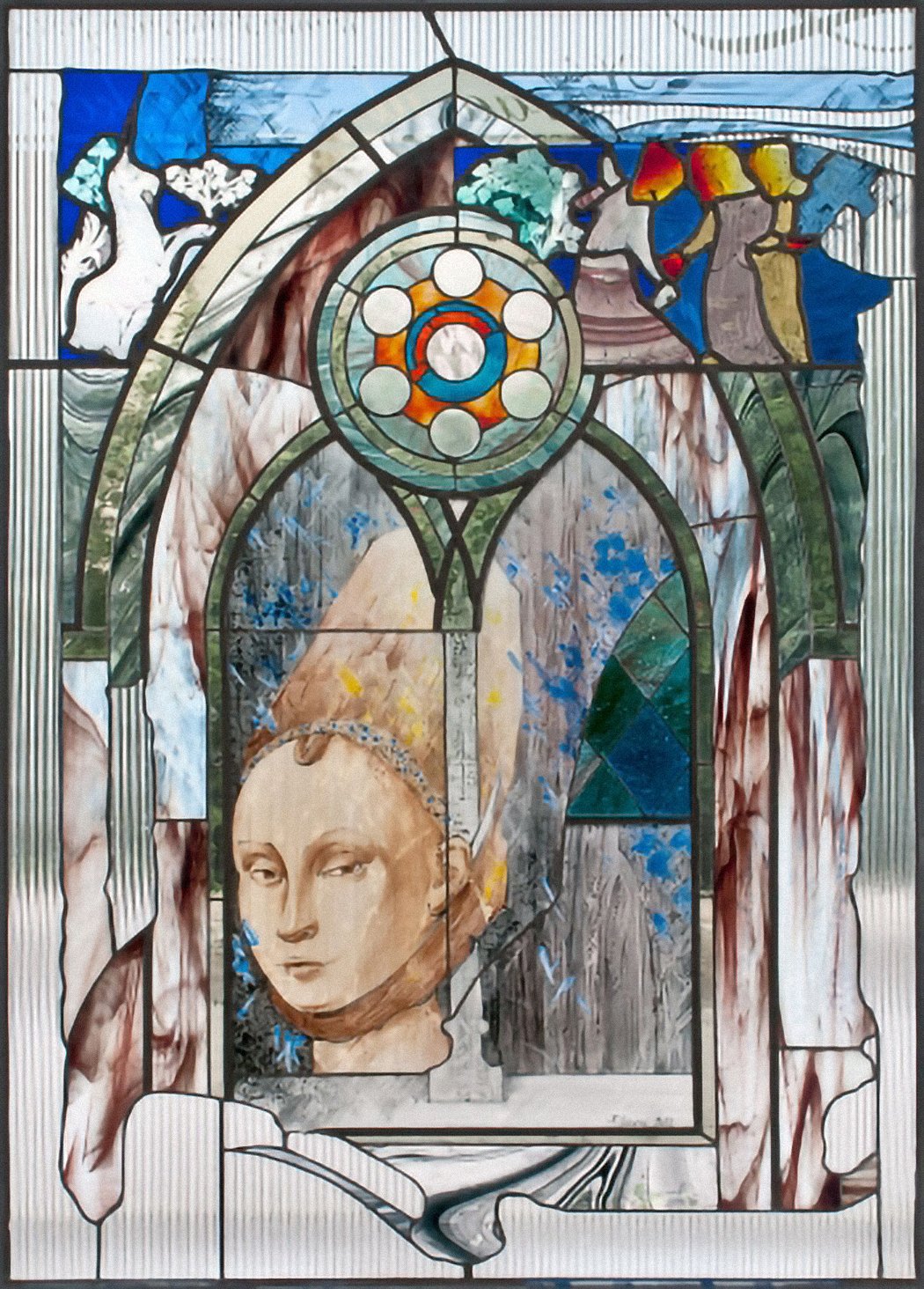
Gothic I. 2012

Christ. St. John's Church, St. Petersburg, Russia. 2012

Madonna with child. St. John's Church, St. Petersburg, Russia. 2012

Classicism. 2012

Visit I
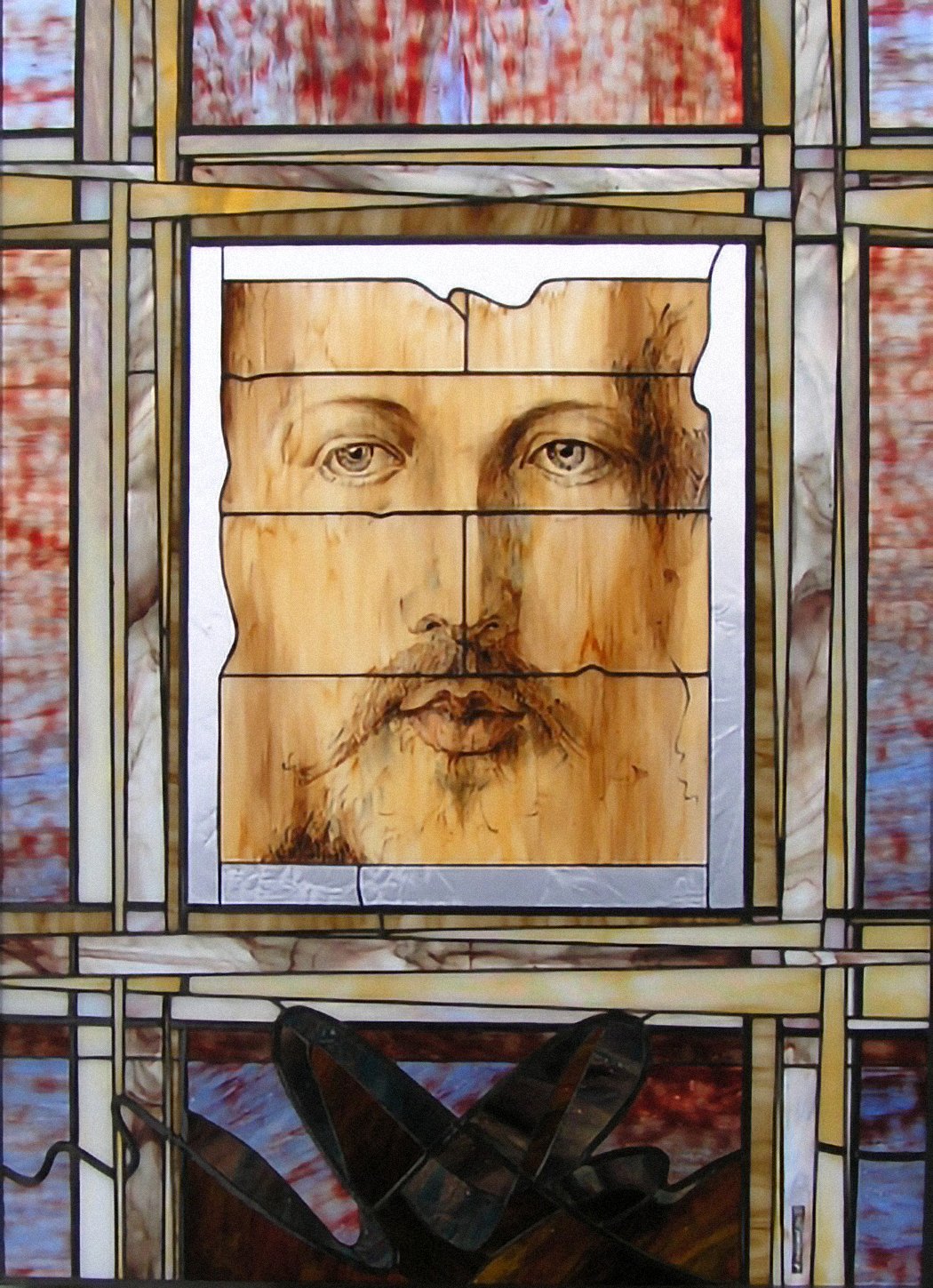
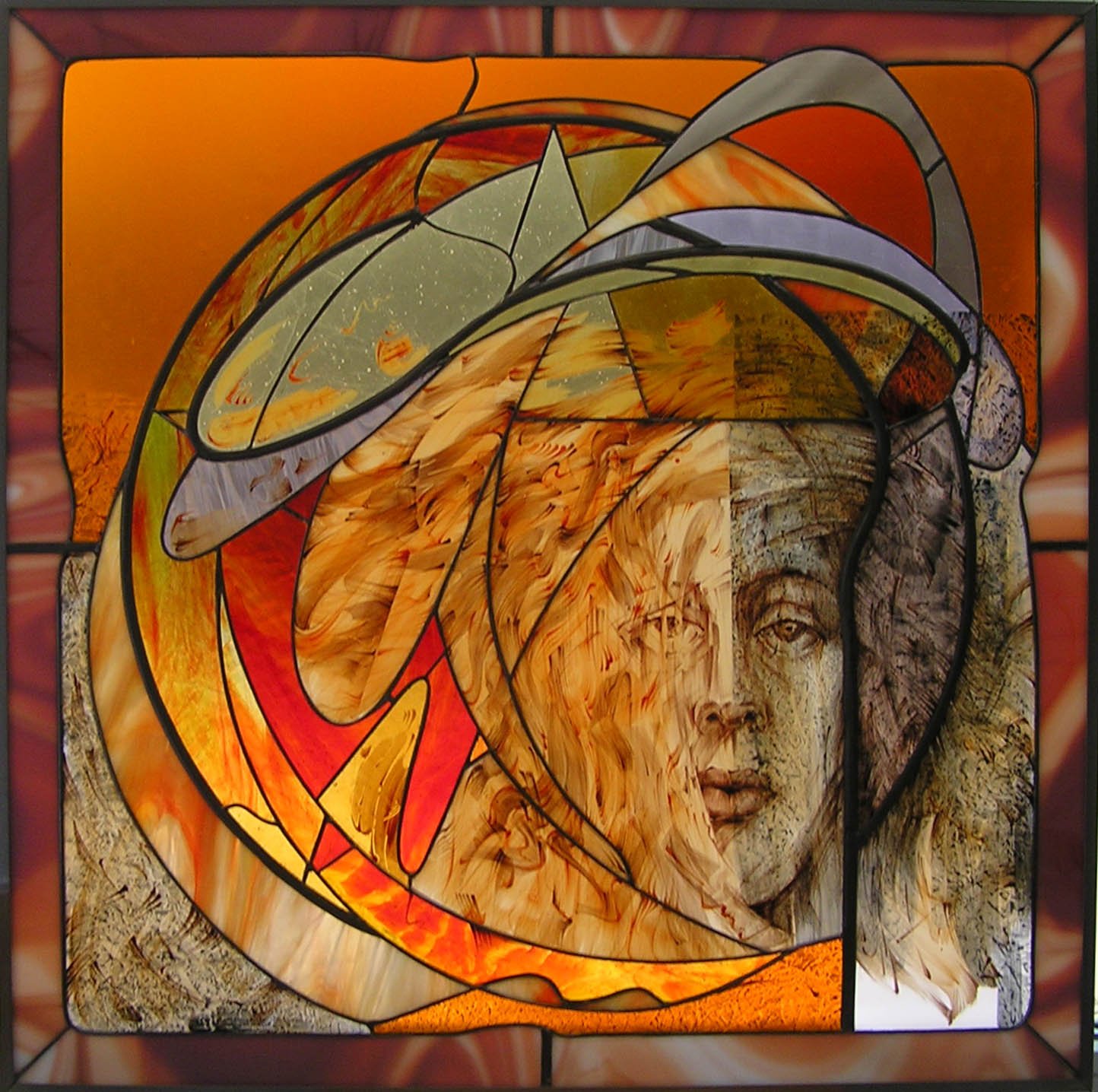
Face
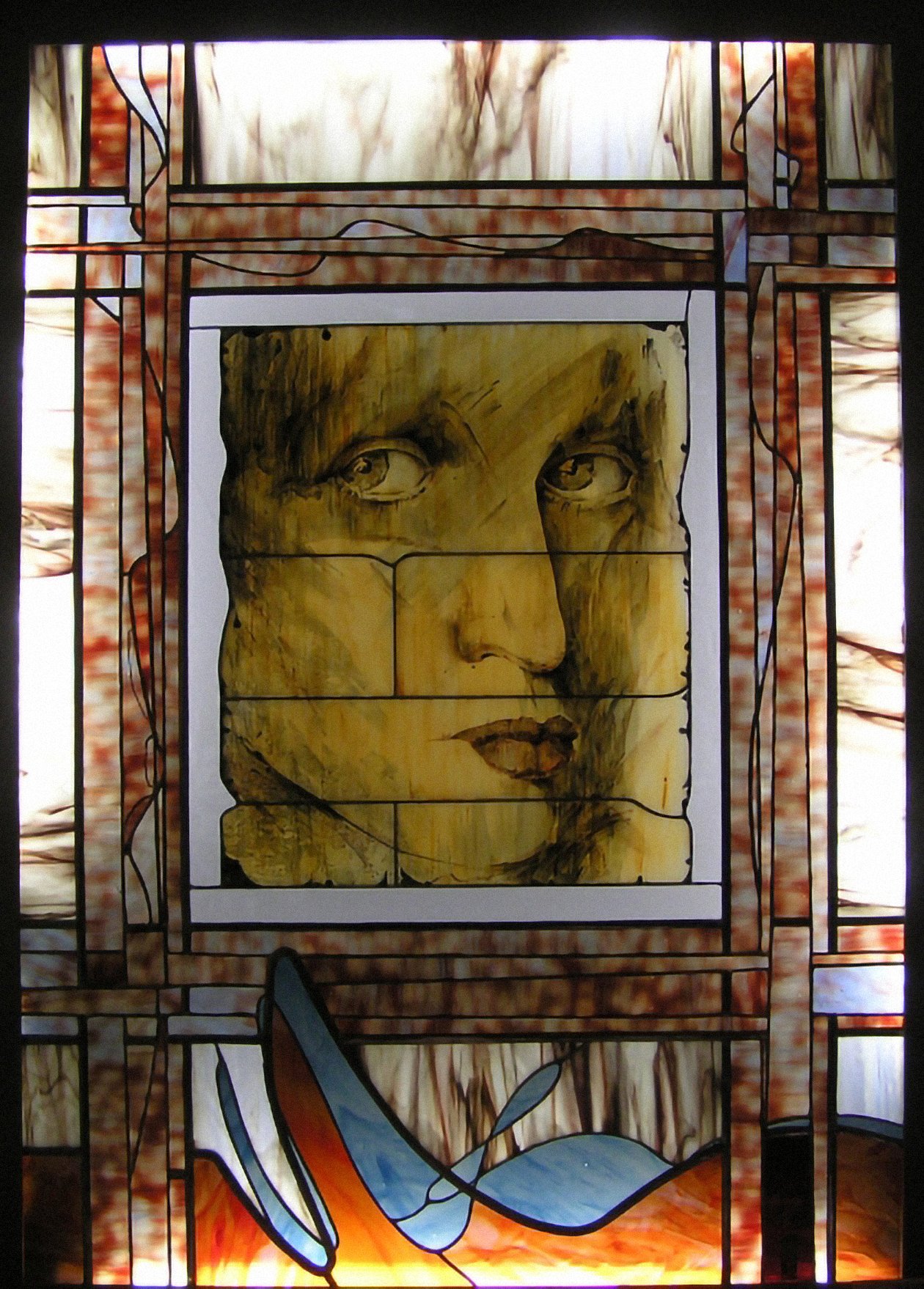
Stranger
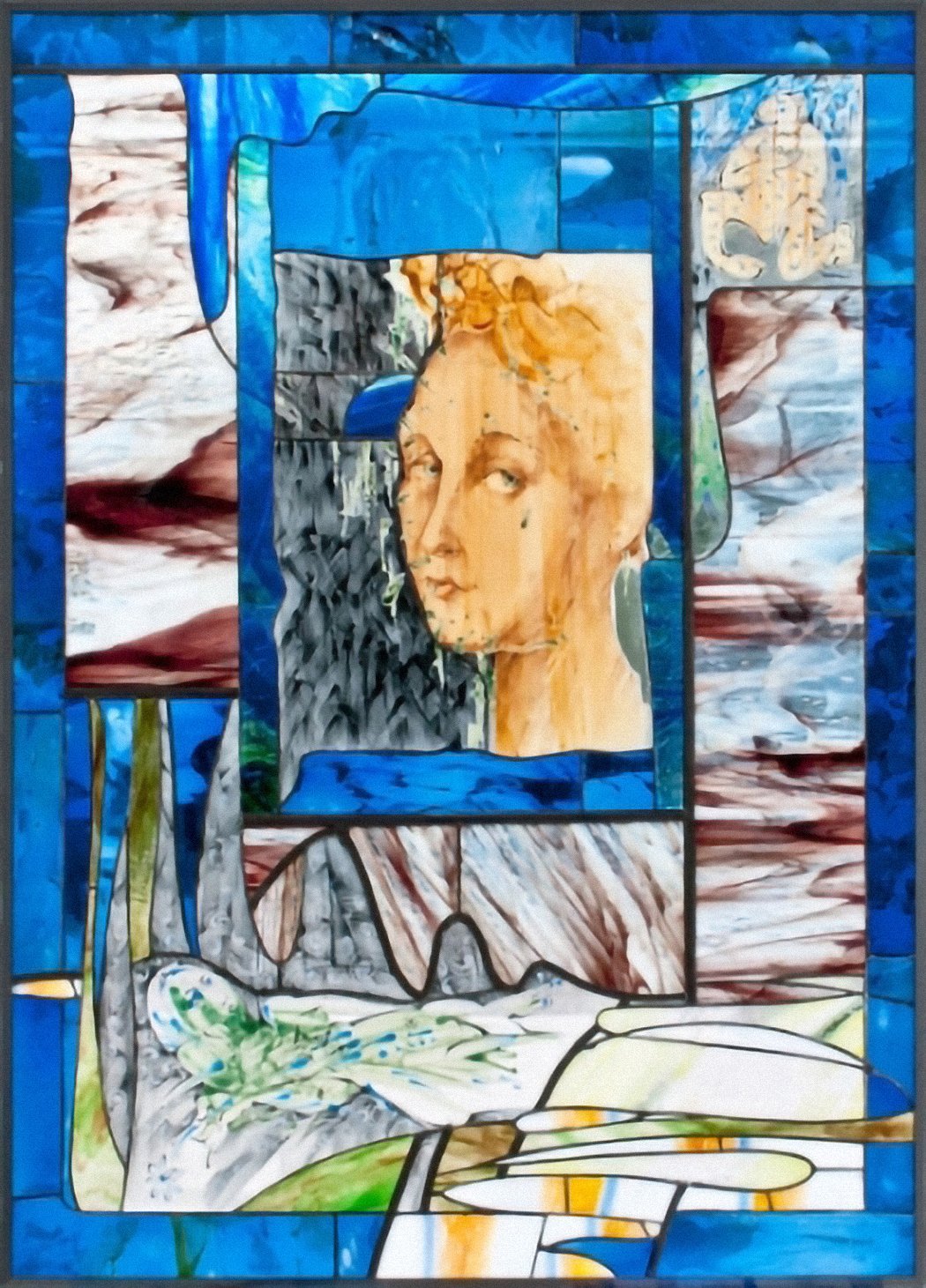
Portrait. 2012

Shores I
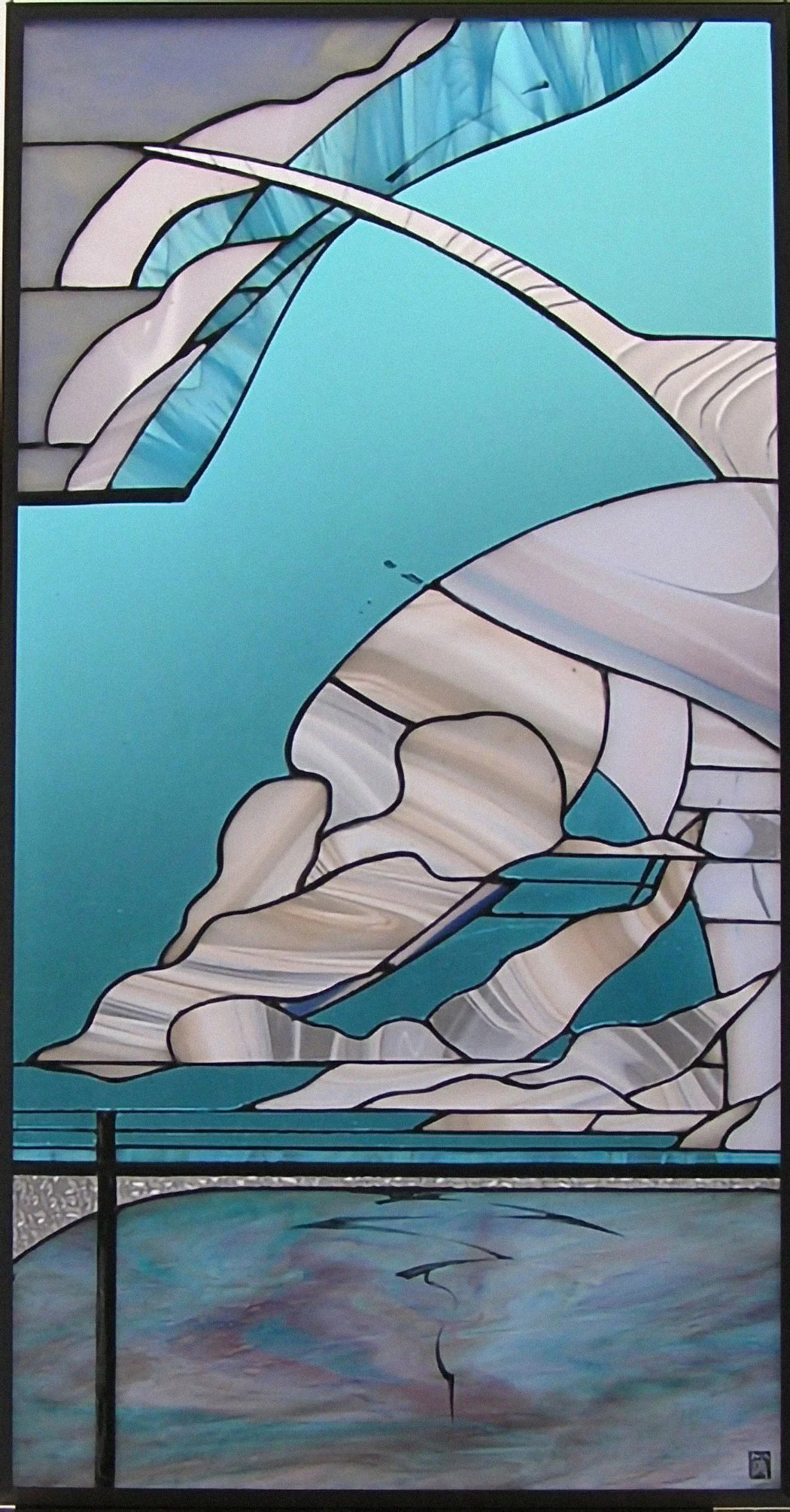
High in the Sky I
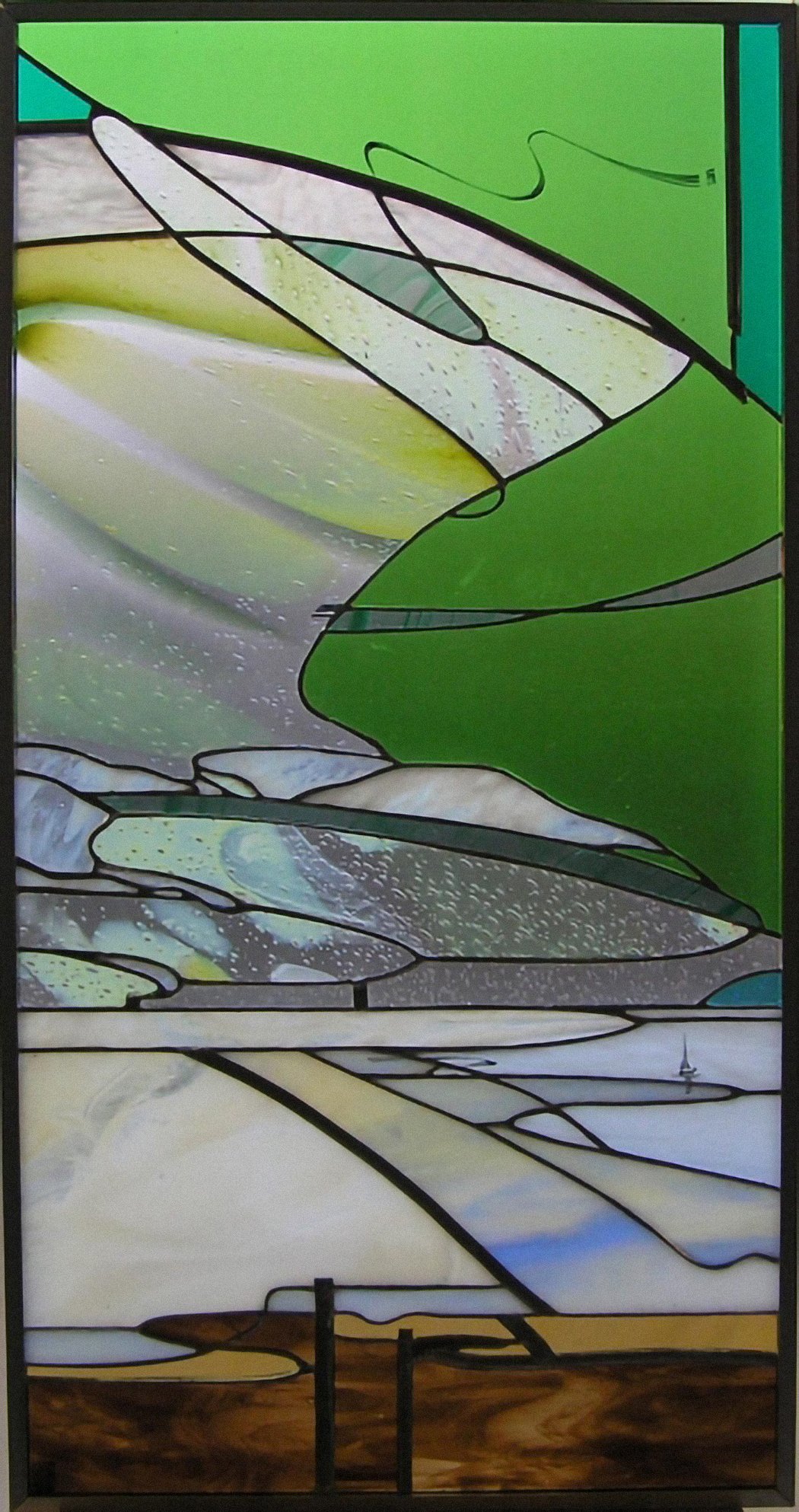
In the Sky I
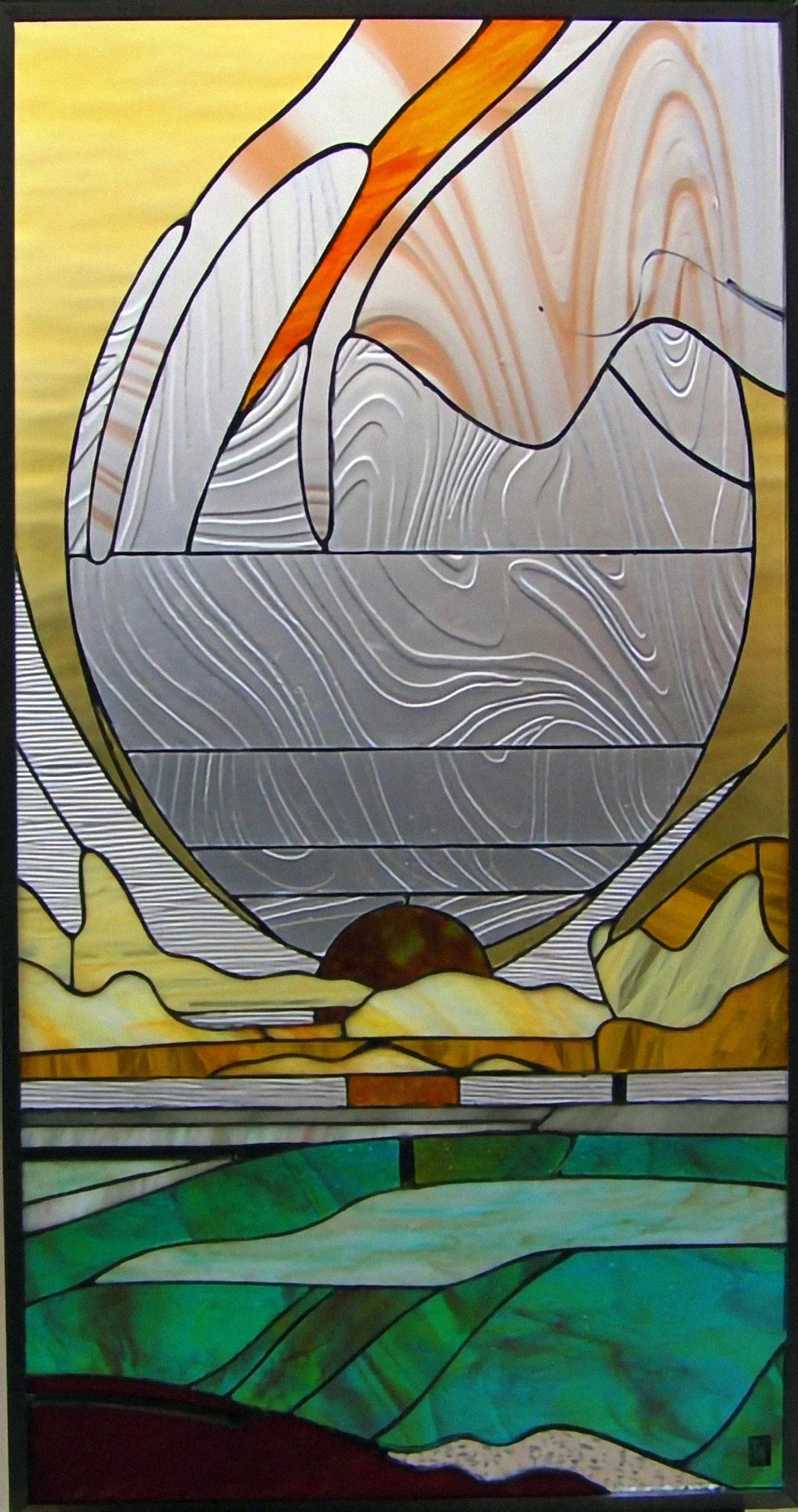
Stormy Sea I

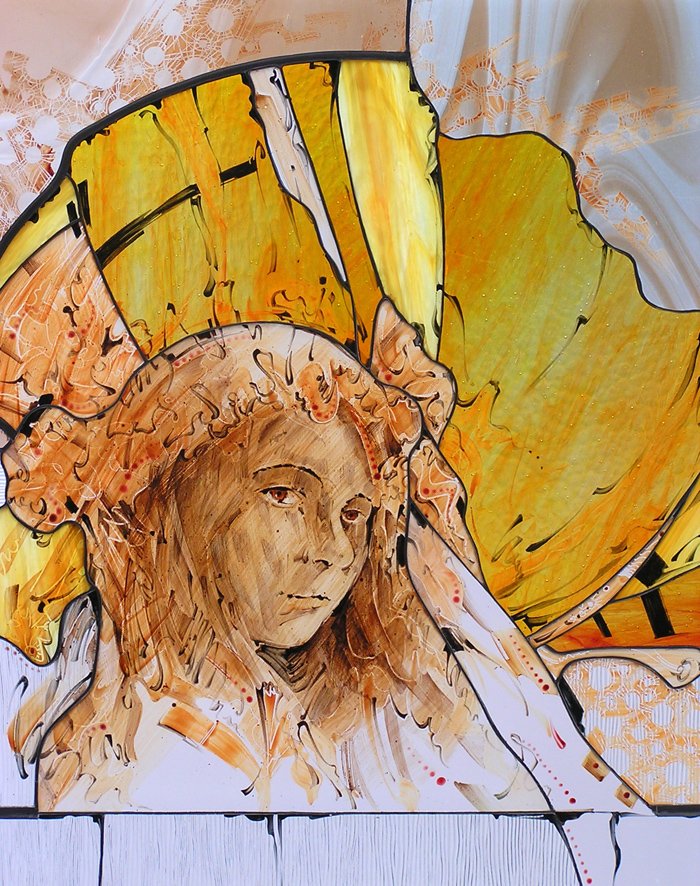

Fire
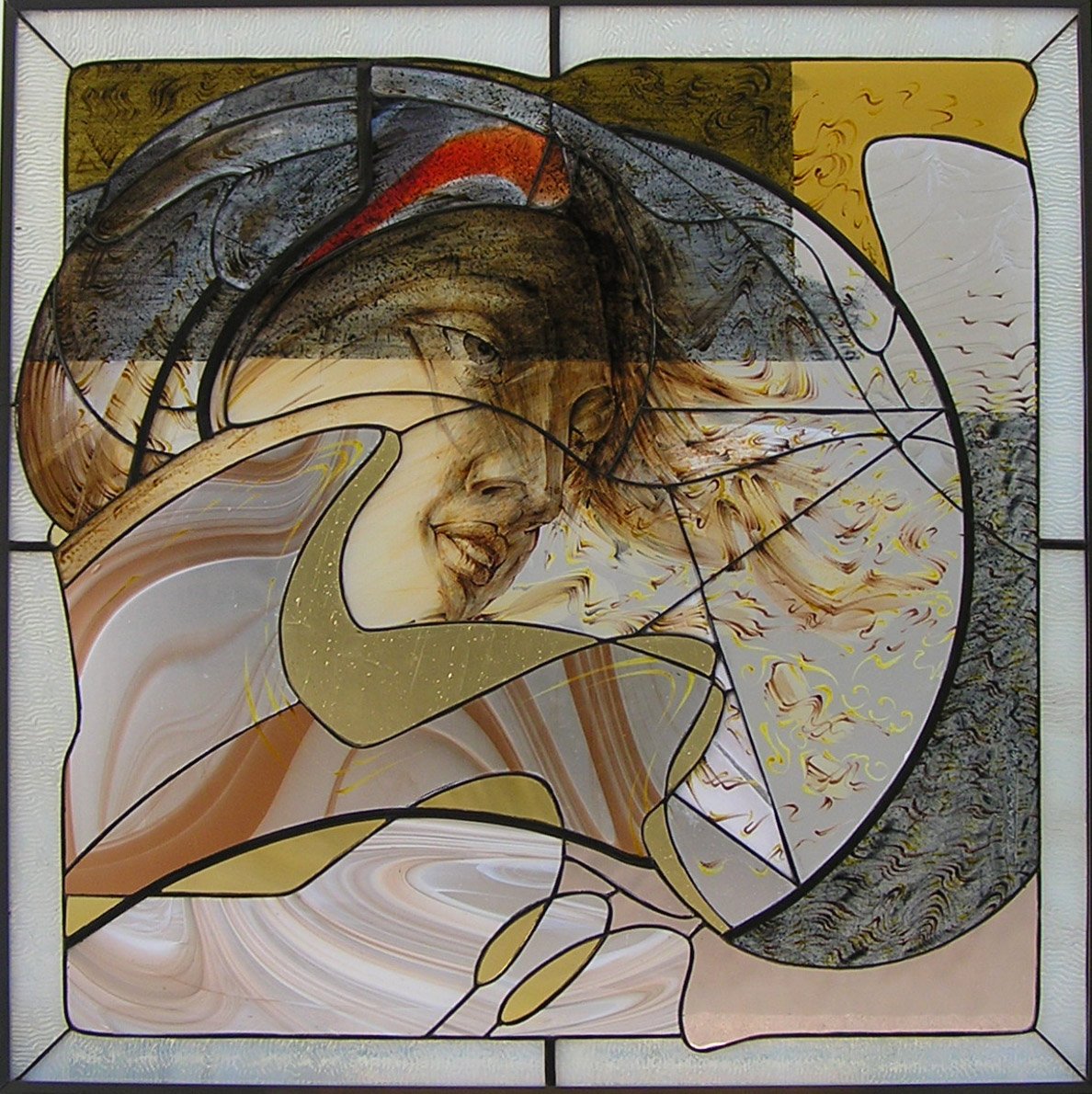


Frescoes of the Orthodox Church of St John the Baptist in Tallinn Nõmme. 2005

Frescoes of the Orthodox Church of St John the Baptist in Tallinn Nõmme. 2005

Frescoes of the Orthodox Church of St John the Baptist in Tallinn Nõmme. 2005

Frescoes of the Orthodox Church of St John the Baptist in Tallinn Nõmme. 2005

Fresco in Narva Alexander Church. Detail. 2008
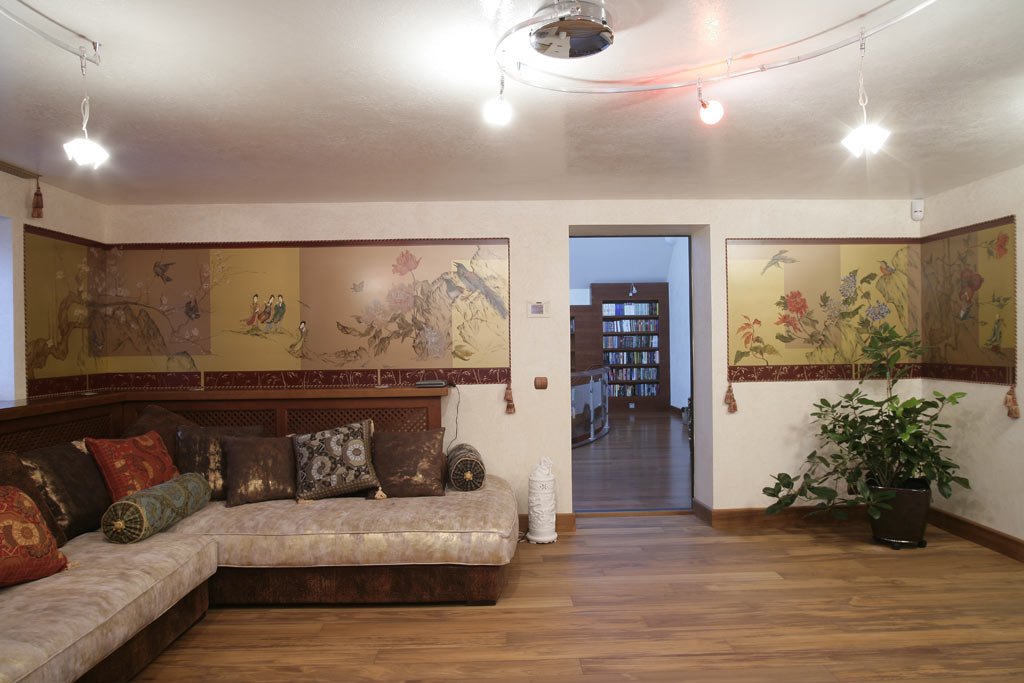
Painting in a private house. Kiev, Ukraine. 2007

Painting in a private house, details. Kiev, Ukraine. 2007

Painting in a private house, details. Kiev, Ukraine. 2007

Painting in a private house, details. Kiev, Ukraine. 2007
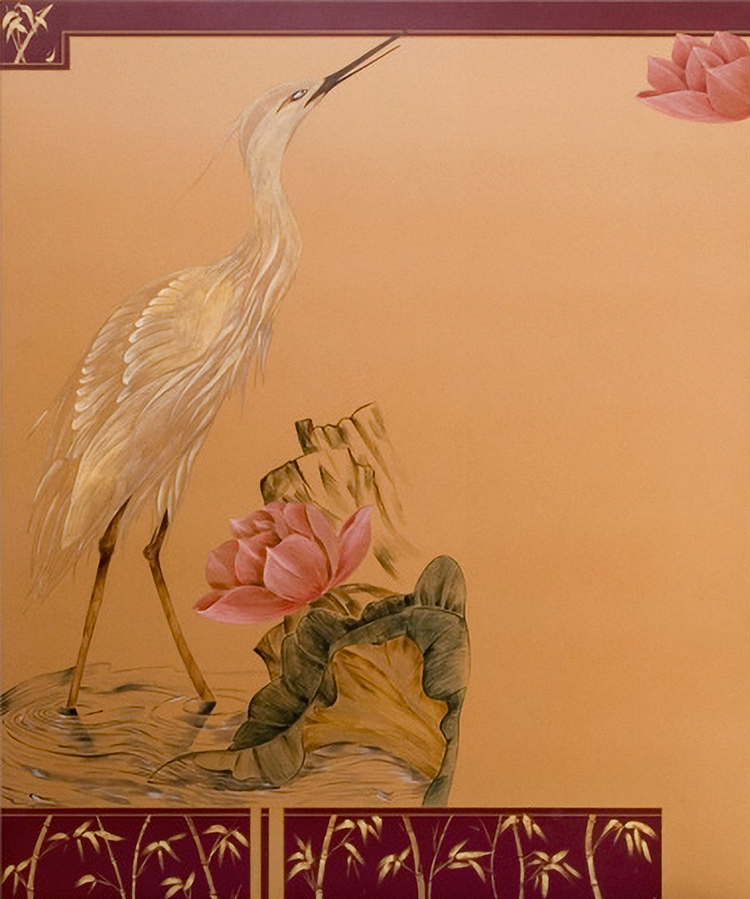
Painting in a private house. Kiev, Ukraine. 2007
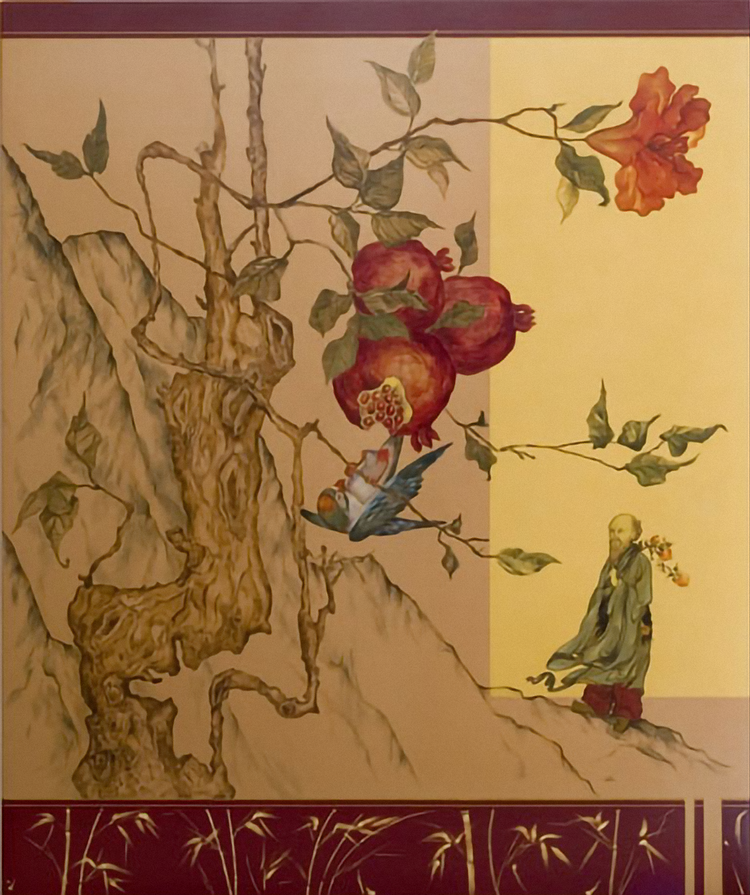
Painting in a private house. Kiev, Ukraine. 2007

Painting in a private house. Kiev, Ukraine. 2007

Painting in a private house. Kiev, Ukraine. 2007
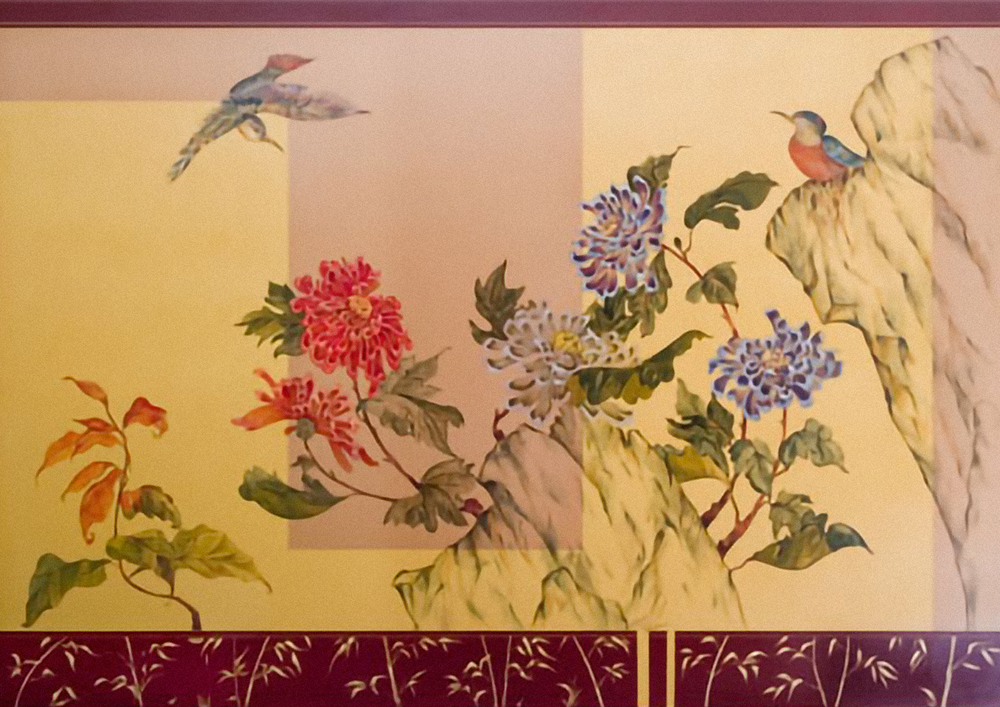
Painting in a private house. Kiev, Ukraine. 2007
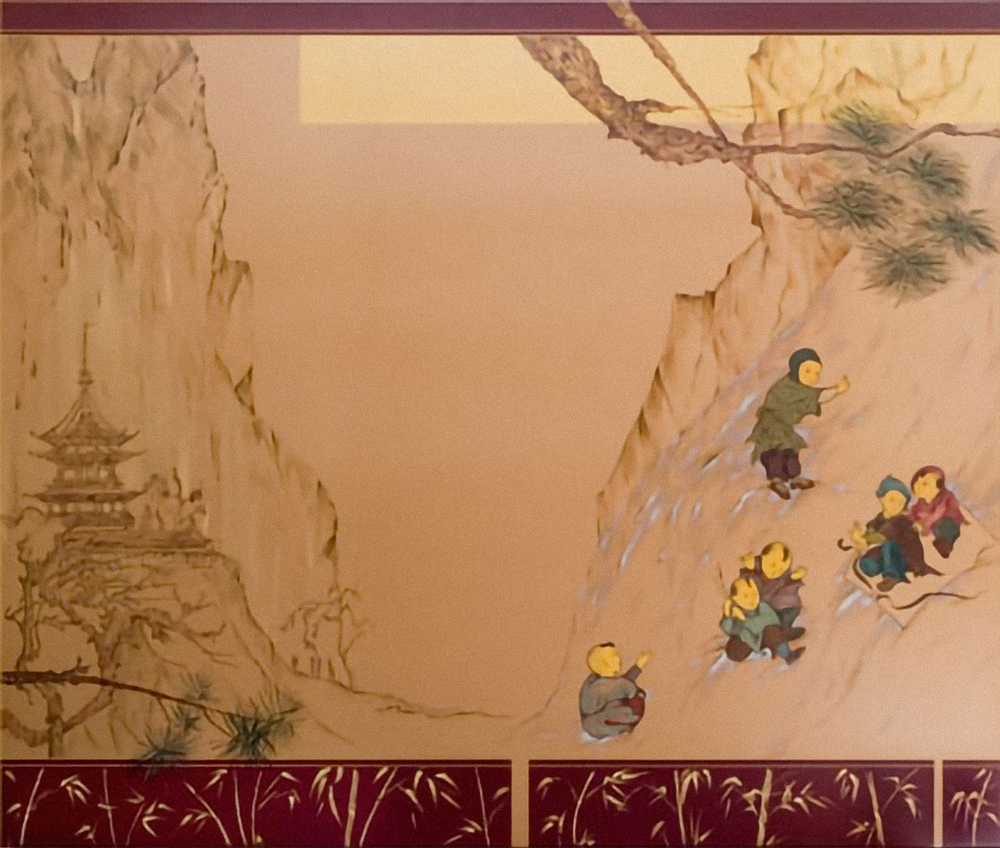
Painting in a private house. Kiev, Ukraine. 2007


St Brigid's Monastery mosaic. 2008
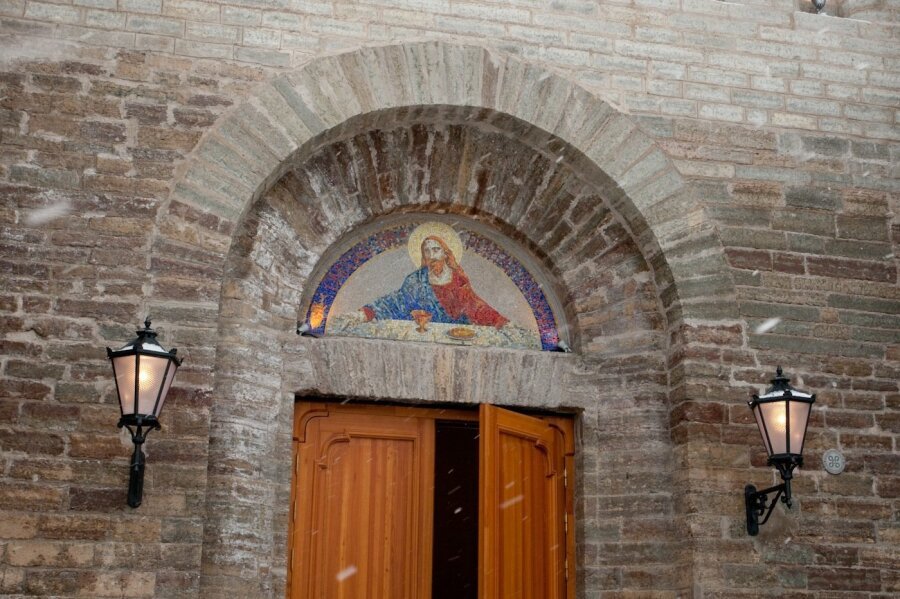
Mosaic at the main entrance of Narva Alexander Church. 2008